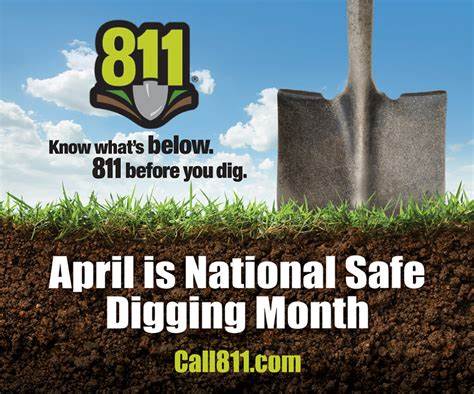
Whether you’re installing new services, making repairs, or performing maintenance, one misstep in the digging process can cause damage to critical infrastructure and pose serious safety risks. As we celebrate
National Safe Digging Month this April, here are four reminders on what every pipeline worker should follow
before and
during excavation.
- Always Call 811 and Confirm All Line Locates
You may have worked in the same area a hundred times but submitting a locate request through 811 before you dig is non-negotiable. Utility lines could have been added at any time. Facility operators must be notified so they can mark the location of buried utilities.
Once on site, take the time to walk the area and verify that all expected marks are present and match the locate ticket. If you see above-ground indicators like meters or risers without corresponding marks, that’s a red flag—don’t dig until it’s resolved.
- Keep Markings Intact and Re-Request When Needed
Line markings fade, get washed away by weather, or are accidentally removed during work. If at any point the utility markings become unclear, stop and request a re-mark. It’s better to pause and stay safe than to guess and risk striking a line.
Make sure the whole crew knows the importance of preserving those marks and using them as your map during the job.
- Use Soft Digging Methods in the Tolerance Zone
When working within the tolerance zone (which varies by state but is typically 18-24 inches on either side of a marked line), pipeline workers must use non-destructive techniques like hand digging or vacuum excavation. Mechanical excavation in this zone can cause nicks, gouges, or ruptures to nearby lines—especially plastic or coated steel pipe.
Always follow your procedures for exposing facilities safely before bringing in heavy equipment.
- Designate a Spotter During Critical Work
Having an on-site observer (spotter) is a best practice that should never be skipped, especially when operating machinery near marked lines. A spotter can help the operator stay clear of hazards, watch for unexpected utility crossings, and communicate with the crew to maintain safe working distances. They are your second set of eyes—and they’re essential to preventing accidents.
Conclusion: Protect Your People and the Pipe
As a pipeline worker, you’re not just moving dirt—you’re protecting essential infrastructure and preserving community safety. Your commitment to a safe digging process in the field is what keeps the system running safely every day.
Frequently Asked Questions About Safe Digging and Excavation Safety
Safe digging practices are critical for protecting underground utilities, preventing service disruptions, and ensuring worker and public safety. Whether you’re performing maintenance, repairs, or new construction, following proper excavation procedures helps reduce risk and maintain compliance. Here are answers to some common questions about safe digging in the pipeline industry.
Why is it important to call 811 before every excavation project?
Calling 811 before digging helps identify and mark the location of underground utilities, including pipelines, electric lines, telecommunications infrastructure, and water systems. Even if you’ve worked in the area before, new facilities may have been installed since your last visit. A locate request helps prevent accidental utility strikes that can cause injuries, outages, environmental damage, and costly repairs.
What should I do if utility markings are missing or unclear?
If utility markings are faded, incomplete, or no longer visible, work should stop until the utilities can be re-marked. Never assume the location of an underground facility based on memory or previous work. Requesting a re-mark helps ensure excavation activities can continue safely and accurately.
What is the tolerance zone when excavating near underground utilities?
The tolerance zone is the area immediately surrounding a marked utility line where extra precautions are required. While requirements vary by state, the tolerance zone is typically 18 to 24 inches on either side of the marked facility. Within this area, workers should use approved non-destructive excavation methods, such as hand digging or vacuum excavation, to safely expose underground infrastructure before using heavy equipment.
Why is a spotter important during excavation work?
A spotter provides an additional layer of safety by helping equipment operators maintain awareness of marked utilities, nearby hazards, and changing site conditions. Spotters can identify potential conflicts before they become incidents, improve communication among crew members, and help prevent damage to underground facilities during critical excavation activities.
What are the most common causes of utility strikes during excavation?
Utility strikes often occur when locate requests are not submitted, markings are ignored or have faded, tolerance zone requirements are not followed, or crews rely on outdated information. Consistently following safe digging procedures—including calling 811, verifying markings, preserving line locates, and using proper excavation techniques—significantly reduces the risk of damaging underground infrastructure.


